Need help paying hospital bills? Try MediLoan Now

Pregnancy and Maternal Care in Nigeria: Everything Every Expectant Mother Should Know

Pregnancy is one of life’s most exciting milestones, but it also comes with important health, emotional, and financial decisions. From your first antenatal visit to childbirth and postnatal care, every stage of pregnancy requires proper medical attention to keep both mother and baby healthy.
Unfortunately, many women in Nigeria delay or miss essential maternal healthcare because of financial challenges, lack of information, or limited access to quality healthcare.
This guide explains everything you need to know about pregnancy and maternal care in Nigeria, including the importance of antenatal care, common pregnancy complications, delivery options, healthcare costs, and practical ways to prepare financially.
What Is Maternal Care?
Maternal care refers to the healthcare services a woman receives before, during, and after pregnancy.
These services include:
- Antenatal (prenatal) care
- Routine pregnancy screenings
- Nutritional support
- Safe labour and delivery
- Emergency obstetric care
- Postnatal care for mother and baby
- Family planning and recovery support
Proper maternal care significantly reduces the risk of pregnancy complications and improves outcomes for both mother and child.
Why Antenatal Care Is Essential
Many pregnancy complications develop gradually and may not show obvious symptoms. Regular antenatal visits help healthcare professionals monitor your baby’s growth while detecting health issues early.
During antenatal appointments, your healthcare provider may:
- Monitor your blood pressure
- Check your baby’s heartbeat and growth
- Screen for infections
- Test blood sugar levels
- Monitor your weight
- Provide nutritional advice
- Recommend supplements like folic acid and iron
- Schedule ultrasound scans
- Prepare you for labour and delivery
The World Health Organization recommends regular antenatal visits throughout the time you are pregnant to improve maternal and newborn health outcomes.
Stages of Pregnancy
First Trimester (Weeks 1–12)
This is when your baby’s organs begin developing.
Common symptoms include:
- Morning sickness
- Fatigue
- Breast tenderness
- Frequent urination
- Mood changes
Important medical checks include:
- Pregnancy confirmation
- Blood tests
- Blood group screening
- HIV screening
- Hepatitis screening
- Ultrasound scan
Second Trimester (Weeks 13–27)
Many women feel more energetic during this period.
Your healthcare provider will continue monitoring:
- Baby’s development
- Blood pressure
- Weight gain
- Gestational diabetes
- Foetal movement
Most anatomy scans are performed during this stage.
Third Trimester (Weeks 28–40)
As delivery approaches, your doctor monitors:
- Baby’s position
- Labour preparation
- Blood pressure
- Signs of pre-eclampsia
- Foetal wellbeing
You should also prepare your birth plan and hospital bag.
Common Pregnancy Complications
Early diagnosis can save lives.
Some of the most common complications include:
Gestational Diabetes
High blood sugar that develops during pregnancy.
High Blood Pressure
Can increase the risk of serious complications if untreated.
Pre-eclampsia
A potentially life-threatening condition characterised by high blood pressure and organ damage.
Anaemia
Low iron levels can affect both mother and baby.
Premature Labour
Labour that begins before 37 weeks.
Placenta Problems
Conditions affecting the placenta may require specialised medical care.
Regular antenatal appointments help identify these conditions before they become emergencies.
Delivery Options in Nigeria
Every pregnancy is different.
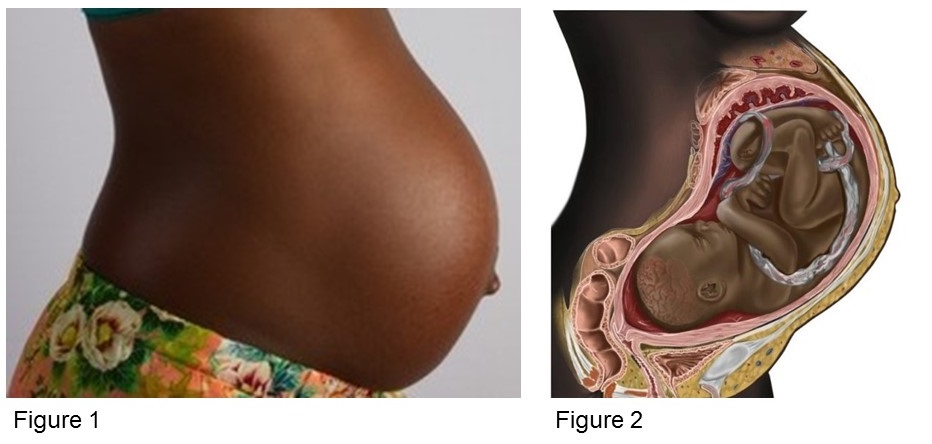
Your doctor will recommend the safest delivery method based on your health and your baby’s condition.
Vaginal Delivery
Often the preferred option for low-risk pregnancies.
Benefits include:
- Faster recovery
- Lower risk of infection
- Shorter hospital stay
Caesarean Section (C-Section)
A surgical procedure performed when vaginal delivery is not the safest option.
Reasons may include:
- Breech baby
- Multiple pregnancy
- Previous complications
- Placenta issues
- Foetal distress
Modern Caesarean delivery is a safe and common procedure when medically necessary.
Postnatal Care Matters Too
Healthcare doesn’t end after childbirth.
Postnatal care helps monitor:
- Mother’s recovery
- Breastfeeding
- Mental health
- Baby’s growth
- Vaccinations
- Infection prevention
Early postnatal check-ups help identify health issues before they become serious.
How Much Does Pregnancy and Maternal Care Cost in Nigeria?
The cost of pregnancy care varies depending on:
- Hospital location
- Public or private hospital
- Pregnancy risk level
- Delivery method
- Emergency complications
- Required laboratory tests
Common expenses may include:
- Registration fees
- Antenatal consultations
- Ultrasound scans
- Laboratory investigations
- Medications
- Delivery fees
- Caesarean surgery (if required)
- Hospital admission
- Baby care after delivery
Planning ahead financially helps reduce stress and ensures you can access the care you need throughout the time you are pregnant.
Our top readers enjoyed reading: Lagos Flood: Here’s the Health Risk Nobody’s Talking About
How to Prepare Financially for Pregnancy
Financial preparation is just as important as medical preparation.
Here are practical steps:
Start Saving Early
Create a dedicated maternity savings plan as soon as possible.
Understand Hospital Costs
Ask your healthcare provider for an estimated breakdown of expected expenses.
Check Your Health Insurance
Understand what maternity services are covered.
Plan for Emergencies
Unexpected medical situations can happen when a woman is pregnant, so having a financial buffer is essential.
Explore Healthcare Financing Options
If paying for maternity care upfront is difficult, healthcare financing solutions can help spread costs and reduce delays in receiving treatment.
When Should You Visit a Hospital Immediately?
Seek urgent medical attention if you experience:
- Heavy bleeding
- Severe abdominal pain
- Persistent headache
- Blurred vision
- High fever
- Reduced baby movement
- Convulsions
- Difficulty breathing
- Leaking fluid before labour
Prompt medical care can protect both mother and baby. Don’t take chances. If you need to speak to a doctor online, Myitura is here to help.
Frequently Asked Questions
When should I start antenatal care?
As soon as pregnancy is confirmed, ideally within the first trimester.
How many antenatal visits are recommended?
Your doctor will recommend a schedule based on your pregnancy, but regular appointments throughout pregnancy are important.
Is Caesarean section safe?
Yes. When medically indicated, a Caesarean section is a safe procedure performed by qualified healthcare professionals.
Can I have a healthy pregnancy after age 35?
Yes. Women over 35 can have healthy pregnancies with appropriate medical care and regular monitoring.
What foods should I eat during pregnancy?
A healthy pregnancy diet should include fruits, vegetables, whole grains, lean proteins, dairy products, and foods rich in iron, calcium, and folic acid.
Why is maternal care important?
Maternal care helps detect complications early, supports healthy foetal development, improves delivery outcomes, and protects both mother and baby.