Need help paying hospital bills? Try MediLoan Now

Lagos Flood: Here’s the Health Risk Nobody’s Talking About

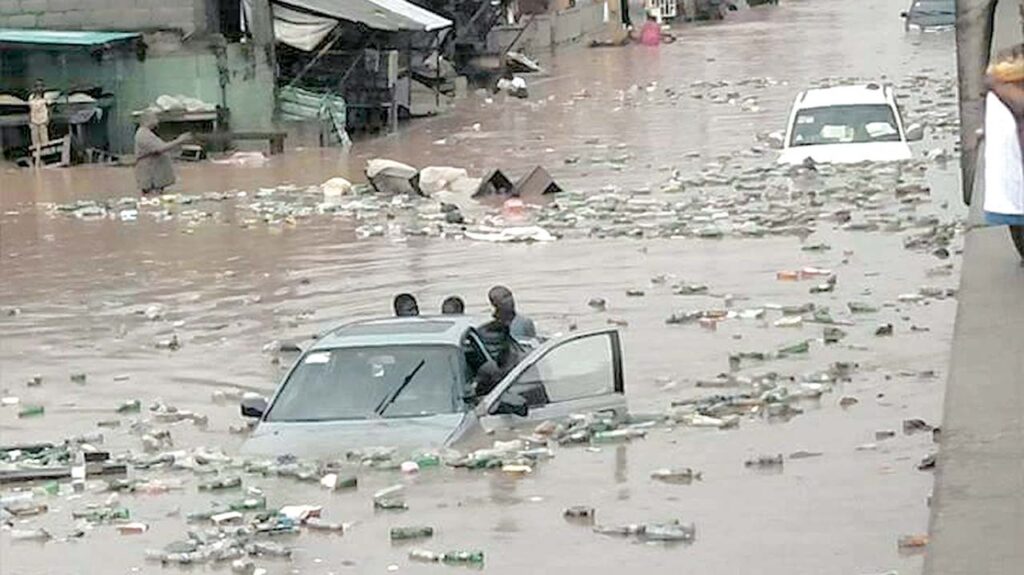
Lagos has been drowning in rain for weeks. Streets in Festac, Gbagada, Lekki, and Ikoyi have gone underwater more than once this July, commuters have been wading through flooded roads, and transport fares keep spiking every time the sky opens up. The Nigerian Meteorological Agency (NiMet) has warned that this year’s rainy season will run longer than usual, with July through September marked as the highest-risk window for Lagos flooding — and Lagos state has already been named among the areas at critical risk of further flooding this season.
Everyone’s talking about the traffic, the damaged cars, the ruined goods. Fewer people are talking about what happens after the water recedes — because floodwater doesn’t just disrupt your commute. It changes what’s in your environment, your water, and eventually, your body.
What Lagos Flood Actually Does to Public Health
According to the Nigeria Centre for Disease Control and Prevention (NCDC), flooding creates near-ideal conditions for several diseases to spread at once:
- Cholera and other diarrhoeal diseases — spread through water contaminated by sewage and refuse washed into drains and water sources during heavy rain.
- Malaria and other mosquito-borne illnesses — stagnant floodwater left behind becomes a breeding ground for mosquitoes long after the rain stops.
- Typhoid fever — another risk that rises sharply once household water sources mix with floodwater and waste.
- Injuries — from drowning, submerged debris, and electrocution in flooded homes with exposed wiring.
This is already happening. NCDC figures reported by PUNCH Healthwise show that as of the end of May 2026, cholera had infected over 5,200 people and killed 67 across 128 local government areas nationwide, and Lagos is one of the states already flagged as high-risk. Epidemiologists quoted in that reporting pointed directly to the combination of Lagos flood water and waste buildup in the drains as the reason cholera risk is climbing right now, not next month.
Our readers enjoyed reading: What Does Headache Mean? When Should You See A Doctor?
Why This Is Harder Than “Just Boil Your Water”
The standard advice to boil your water, wash your hands, and avoid contact with floodwater is sound, and worth repeating. But it assumes something that isn’t always true during Lagos flood: that getting to care, or even getting a diagnosis, is easy.
When roads are submerged and commutes that normally take twenty minutes stretch into hours, “just go to the clinic” stops being simple advice.
A parent noticing early signs of cholera in a child, someone running a low fever that could be malaria or could be something else, a family unsure whether a wound picked up wading through Lagos flood needs medical attention — these are exactly the moments when flooded roads make in-person care hardest to reach, right when speed matters most.
Cholera in particular can turn dangerous within hours without prompt treatment, which makes the gap between “I think something’s wrong” and “I’m in front of a doctor” the most dangerous part of the whole picture.
What You Can Do This Rainy Season
A few habits make a real difference during the time of the year that Lagos flood:
- Treat all your drinking water as suspect right now — boil it, chlorinate it, or stick to properly sealed bottled/sachet water, even sources you’d normally trust.
- Don’t wade through floodwater if you can avoid it — beyond contamination risk, submerged debris, open drains, and electrocution from flooded wiring are real hazards this season.
- Watch for early symptoms, not just severe ones — persistent diarrhoea, unusual fatigue, fever, or vomiting are worth checking early, especially in children and the elderly.
- Keep mosquito protection going even indoors — stagnant water sitting near homes after the rain keeps breeding risk high well after a downpour ends.
- Know how you’ll reach care if the roads are impassable — this is the piece most people don’t plan for until they’re already stuck.
Here’s Why You Need MyItura
This is exactly the situation telemedicine exists for. When flooded roads make a clinic visit slow, risky, or simply impossible, a MyItura virtual consultation lets you talk to a doctor about symptoms the same day, from wherever you are — no commute through standing water required.
If it turns out you do need a physical test, home sample collection means a lab technician comes to you instead of the other way around, which matters when “the other way around” involves wading through a flooded street.
None of this replaces emergency care — if someone is showing severe symptoms (persistent vomiting, signs of severe dehydration, difficulty breathing), that’s a case for urgent in-person or emergency attention, not a first video call. But for the much larger number of “something feels off, should I be worried” moments this rainy season will produce, getting a doctor’s read early — before symptoms escalate and before the roads get worse — is exactly the kind of decision that’s easier to make quickly online than after a two-hour flood-delayed commute.
Lagos flood isn’t ending anytime soon. NiMet’s own forecast points to an unusually long one this year. The most useful thing you can do isn’t just stocking up on boiled water — it’s knowing that if something does come up, reaching a doctor doesn’t have to depend on the state of the roads outside your door.
Feeling unwell and not sure if it’s worth the trip? Book a virtual consultation with MyItura and get a doctor’s opinion from wherever you are.