Need help paying hospital bills? Try MediLoan Now

Malaria or Typhoid? How to Tell the Difference and When to Get Tested

If you’ve ever had a fever, headache, body aches or weakness and thought, “Is this malaria or typhoid?”, you’re certainly not alone.
In Nigeria, malaria is a common cause of illness, and typhoid fever is also frequently suspected when someone develops a fever or feels unwell.
The problem is that malaria and typhoid can have some similar symptoms. And several other infections can cause fever too.
So can you tell the difference just by how you feel?
Not reliably.
The safest way to know what’s causing your symptoms is to get an appropriate medical assessment and, where indicated, testing.
Here’s what you should know.
Malaria vs typhoid: what’s the difference?
Malaria and typhoid are completely different diseases.
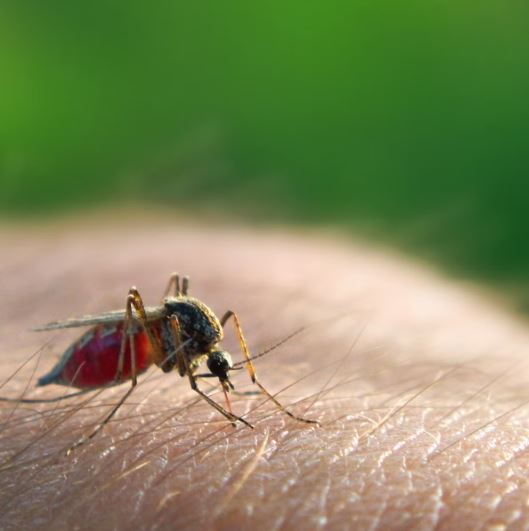
Malaria is caused by Plasmodium parasites and is transmitted through the bites of infected mosquitoes.
Typhoid fever is a bacterial infection caused by Salmonella Typhi. It is generally spread through contaminated food or water.
Although both can cause fever and make you feel very unwell, they require different treatments.
That’s why assuming that every fever is malaria or typhoid can lead to the wrong treatment.
What are the symptoms of malaria?
Malaria symptoms can vary, but common symptoms include:
- Fever
- Chills
- Headache
- Muscle aches
- Weakness or fatigue
- Sweating
- Nausea or vomiting
Symptoms can become serious, particularly with Plasmodium falciparum, the parasite responsible for most malaria-related illness in Africa.
The important thing to remember is that symptoms alone don’t confirm malaria.
WHO recommends testing suspected malaria cases with microscopy or a malaria rapid diagnostic test (RDT) before treatment when testing is available.
What are the symptoms of typhoid?
Typhoid fever can cause:
- Fever
- Headache
- Weakness or fatigue
- Muscle aches
- Abdominal discomfort
- Constipation or diarrhoea
- Nausea or vomiting
Typhoid often develops gradually rather than appearing suddenly.
However, these symptoms aren’t unique to typhoid. The CDC notes that the clinical features of typhoid can overlap with many other infections, making symptoms alone unreliable for diagnosis.
Malaria or typhoid: can you tell from the symptoms?
This is where things get tricky.
| Symptom | Malaria | Typhoid |
|---|---|---|
| Fever | Common | Common |
| Headache | Common | Common |
| Weakness | Common | Common |
| Body aches | Common | Can occur |
| Chills | Can occur | Can occur |
| Nausea/vomiting | Can occur | Can occur |
| Diarrhoea | Can occur | Can occur |
| Abdominal discomfort | Less characteristic | Can occur |
There is no single symptom that can reliably tell you whether you have malaria or typhoid.
For example, having a headache and fever doesn’t automatically mean malaria.
Likewise, having abdominal discomfort doesn’t automatically mean typhoid.
Other infections and illnesses can cause similar symptoms.
Can you have malaria and typhoid at the same time?
Yes, it is possible to have both.
Having one infection does not automatically protect you from the other.
However, it’s important not to assume that having symptoms means you have both.
If someone has a fever and tests positive for malaria, for example, that doesn’t necessarily mean they also have typhoid.
Additional testing or clinical assessment may be needed if symptoms persist or don’t fit the initial diagnosis.
How is malaria diagnosed?
Malaria can be diagnosed using a blood test.
Two commonly used methods are:
Rapid diagnostic test (RDT)
An RDT can detect malaria-related antigens in a blood sample and can provide results relatively quickly.
Microscopy
A blood sample is examined under a microscope to look for malaria parasites.
Microscopy can also provide information about the type and quantity of parasites present.
WHO recommends parasite-based testing before antimalarial treatment when testing is available. If the malaria test is negative, healthcare providers should consider other possible causes of the fever.
How is typhoid diagnosed?
Diagnosing typhoid can be more complicated.
Blood culture is the preferred method for confirming acute typhoid fever, because it attempts to identify the bacteria causing the infection.
You may have heard of the Widal test, which is still commonly used in some settings.
However, the CDC does not recommend relying on Widal testing to diagnose acute typhoid because of its high rate of false-positive results.
This is one reason you shouldn’t assume that a positive result from any test automatically means you have typhoid. The type of test and the clinical context matter.
Should you test before taking malaria medicine?
In general, yes, if testing is available. MyItura can help you carry out simple tests right from your home.
WHO recommends confirming suspected malaria with microscopy or an RDT before starting antimalarial treatment.
This matters because treating every fever as malaria can mean that another illness causing the fever goes undiagnosed.
It also helps ensure that the treatment you’re taking matches the condition you’re actually experiencing.
In Nigeria, WHO has specifically encouraged people not to self-medicate for suspected malaria and to get tested before treatment.
If malaria testing isn’t immediately accessible, seek medical advice rather than simply guessing the cause of your symptoms.
When should you get tested?
Consider getting medical attention if you develop:
- A persistent or worsening fever
- Severe headache
- Repeated vomiting
- Significant weakness
- Confusion or unusual drowsiness
- Difficulty breathing
- Severe abdominal pain
- Signs of dehydration
- Any other symptom that feels severe or unusual
For young children, pregnant people, older adults and people with certain underlying health conditions, prompt medical assessment can be particularly important.
Don’t wait for symptoms to become severe before seeking care.
What if your malaria test is negative?
A negative malaria test doesn’t mean there’s nothing wrong.
It means malaria may not be the explanation for your symptoms.
Fever can have many causes, including other infections and inflammatory conditions.
If you continue to feel unwell after a negative malaria test, speak with a healthcare professional about what other causes should be considered.
This is one of the biggest reasons testing is useful: it helps move you away from guessing.
What if you test positive for malaria?
Follow the treatment recommended by a qualified healthcare professional.
Avoid taking leftover medication or using someone else’s prescription.
Malaria treatment depends on factors including the parasite involved, severity of illness, age, pregnancy status and other considerations.
If symptoms become severe, seek urgent medical care.
Malaria or typhoid? Don’t guess.
The biggest takeaway is simple:
Fever doesn’t automatically mean malaria and it doesn’t automatically mean typhoid either.
Knowing that the symptoms can overlap with each other and with other illnesses, trying to diagnose yourself based solely on symptoms isn’t reliable.
If you suspect malaria, get tested where appropriate.
If typhoid is suspected, speak with a healthcare professional about the appropriate diagnostic test.
The goal isn’t simply to find a diagnosis. It’s to find the right diagnosis so you can receive the right care.
Frequently Asked Questions
Which is worse, malaria or typhoid?
Neither should be treated casually. Both can cause serious illness, particularly when diagnosis and treatment are delayed. The seriousness depends on the individual, the infection and how quickly appropriate care is received.
Can malaria cause stomach pain?
It can. Malaria may cause gastrointestinal symptoms such as nausea, vomiting or abdominal discomfort, but stomach symptoms alone cannot confirm malaria.
Can typhoid cause chills?
Chills can occur with typhoid, but they aren’t specific to typhoid. Several infections can cause chills.
Can I have malaria without a fever?
Symptoms vary between people, and fever is common in malaria. If you are concerned about malaria, testing is more useful than trying to diagnose yourself based on the presence or absence of one symptom.
Can I treat malaria without a test?
WHO recommends parasite-based testing before antimalarial treatment when testing is available.
Is a Widal test enough to diagnose typhoid?
The Widal test is widely used in some settings, but the CDC does not recommend it because of concerns about false-positive results. Blood culture is the preferred diagnostic method for acute typhoid fever.
Can malaria and typhoid happen together?
Yes, it is possible for someone to have both infections. However, symptoms alone aren’t enough to establish that both are present. Appropriate testing and clinical assessment are important.
A note from MyItura
This article is intended for general educational purposes and isn’t a substitute for professional medical advice, diagnosis or treatment.
If you’re experiencing a fever or other concerning symptoms, speak with a qualified healthcare professional and seek appropriate testing and care.