Need help paying hospital bills? Try MediLoan Now

Preventive Healthcare in Nigeria: Why Early Treatment Saves You Money and Could Save Your Life

Healthcare is one of the biggest expenses many Nigerians never plan for. Most people only visit a hospital when symptoms become severe, hoping the problem will disappear on its own. Unfortunately, delaying treatment often leads to more complicated illnesses, higher medical bills, and longer recovery periods.
Preventive healthcare is changing that narrative.
Instead of waiting until you’re seriously ill, preventive healthcare focuses on identifying and treating health problems early. It helps people stay healthier, avoid expensive medical emergencies, and improve their quality of life.
In this guide, we’ll explain why preventive healthcare matters, how it saves money, and the simple steps every Nigerian can take to protect their health.
What Is Preventive Healthcare?
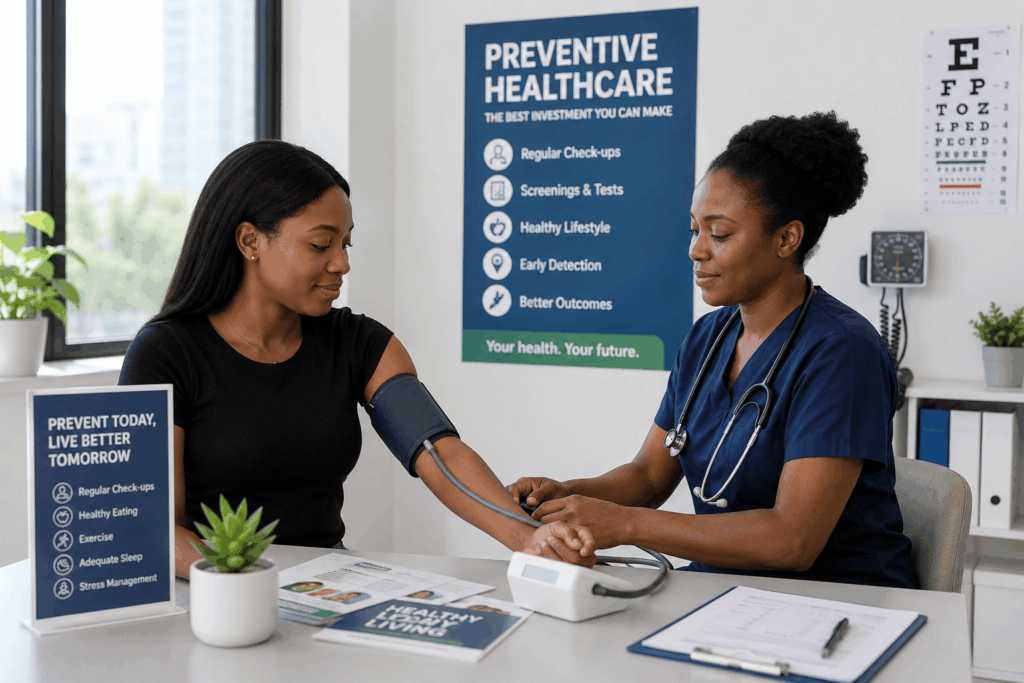
Preventive healthcare refers to medical care that helps prevent diseases or detect them before they become serious.
Rather than treating illnesses after they become emergencies, preventive care focuses on maintaining good health through regular check-ups, screenings, vaccinations, and healthy lifestyle choices.
Examples of preventive healthcare include:
- Annual medical check-ups
- Blood pressure monitoring
- Blood sugar tests
- Cancer screenings
- Cervical cancer screening
- Breast examinations
- Prostate screening
- Routine dental check-ups
- Eye examinations
- Vaccinations
- Health education and lifestyle counselling
The goal is simple: identify health issues early, when they are easier and less expensive to treat.
Why Do Many Nigerians Delay Medical Treatment?
Many people postpone seeking medical care because they believe the symptoms will disappear on their own or because they worry about hospital costs.
Common reasons include:
- Financial constraints
- Fear of receiving bad news
- Busy work schedules
- Self-medication
- Lack of health insurance
- Limited awareness about preventive healthcare
While these concerns are understandable, delaying treatment often results in significantly higher healthcare costs.
How Early Treatment Saves You Money
One of the biggest misconceptions about healthcare is that avoiding the hospital saves money.
In reality, delaying treatment usually costs far more.
1. Early Treatment Prevents Costly Medical Emergencies
A minor infection treated early may only require medication and a consultation.
If left untreated, the same infection could lead to hospital admission, surgery, or intensive care.
The difference in treatment costs can be substantial.
2. Fewer Hospital Admissions
Preventive healthcare helps detect diseases before they become severe enough to require emergency care or prolonged hospital stays.
This means fewer medical bills and less disruption to your work and family life.
3. Lower Medication Costs
Early-stage illnesses often require fewer medications and shorter treatment periods.
Advanced illnesses usually require multiple drugs, specialist consultations, laboratory investigations, and ongoing monitoring.
4. Reduced Risk of Surgery
Many medical conditions can be managed successfully when diagnosed early.
Ignoring symptoms may allow the condition to worsen until surgery becomes the only treatment option.
5. Less Time Away From Work
Serious illnesses don’t just cost money—they also reduce your ability to earn an income.
Preventive healthcare helps people recover faster and return to their normal lives sooner.
Health Conditions That Benefit From Early Detection
Many common illnesses become easier and more affordable to manage when diagnosed early.
These include:
Hypertension
High blood pressure often has no obvious symptoms.
Regular screening can detect it before complications such as stroke, kidney disease, or heart failure develop.
Diabetes
Early diagnosis helps prevent complications affecting the eyes, kidneys, nerves, and heart.
Simple lifestyle changes combined with medical care can significantly improve long-term outcomes.
Cancer
Screenings for breast, cervical, prostate, and colorectal cancer improve the chances of successful treatment.
Detecting cancer early often means less aggressive treatment and lower overall costs.
Kidney Disease
Routine blood and urine tests can identify kidney problems before permanent damage occurs.
Eye Diseases
Conditions such as glaucoma can lead to permanent vision loss if left untreated.
Regular eye examinations help detect these problems before symptoms appear.
Preventive Healthcare Improves Quality of Life
Healthcare is about more than treating disease.
Preventive care helps people:
- Live longer
- Stay active
- Avoid chronic illness
- Maintain independence
- Reduce stress
- Improve overall wellbeing
Taking care of your health today allows you to enjoy a healthier future.
Our top readers enjoyed reading: Lagos Flood: Here’s the Health Risk Nobody’s Talking About
How Often Should You Get a Health Check-Up?
While everyone’s health needs are different, many healthcare professionals recommend:
- Annual comprehensive medical check-ups
- Blood pressure checks every year (or more frequently if advised)
- Blood sugar screening for adults with risk factors
- Routine dental examinations every six months
- Regular eye examinations
- Age-appropriate cancer screening based on your doctor’s advice
If you have a family history of diabetes, hypertension, cancer, or heart disease, you may need more frequent monitoring.
Common Myths About Preventive Healthcare
“I feel healthy, so I don’t need a check-up.”
Many serious diseases develop without noticeable symptoms.
Regular health screenings can detect problems before they become serious.
“Hospital visits are too expensive.“
Emergency treatment is often significantly more expensive than preventive care.
Investing in regular check-ups may help you avoid much larger medical bills later.
“I’ll wait until it gets worse.”
Waiting often allows diseases to progress, making treatment more difficult and more expensive.
Early diagnosis usually leads to better outcomes.
How to Make Preventive Healthcare More Affordable
Planning for healthcare before an emergency happens can reduce financial stress.
Some practical ways include:
- Budgeting for annual health screenings
- Taking advantage of workplace health programmes
- Maintaining healthy lifestyle habits
- Exploring healthcare financing options when unexpected medical expenses arise
- Seeking medical advice as soon as symptoms appear
Having access to flexible healthcare financing can also make it easier to receive treatment without unnecessary delays.
Why Preventive Healthcare Is an Investment, Not an Expense
Many people think healthcare only costs money.
In reality, preventive healthcare protects one of your most valuable assets—your health.
Early diagnosis helps reduce treatment costs, improves recovery, prevents complications, and allows people to continue working, caring for their families, and enjoying life.
The earlier a medical condition is detected, the greater the chance of successful treatment and the lower the overall cost.
Here’s How MyItura Helps
Preventive healthcare isn’t just about avoiding illness—it’s about making smarter decisions for your future.
Regular medical check-ups, routine screenings, and early treatment can help you avoid expensive emergencies, improve your quality of life, and give you peace of mind.
At MyItura, we believe that financial concerns should never prevent anyone from accessing quality healthcare. Whether you’re planning for routine care or facing unexpected medical expenses, having the right financial support can make timely treatment possible.
Don’t wait until a small health problem becomes a major medical emergency. Prioritising preventive healthcare today could save you money, protect your wellbeing, and improve your future.
Frequently Asked Questions
What is preventive healthcare?
Preventive healthcare includes medical services such as routine check-ups, screenings, vaccinations, and health education that help prevent illnesses or detect them early.
Why is early treatment important?
Early treatment improves recovery, reduces complications, lowers healthcare costs, and often prevents diseases from becoming life-threatening.
Does preventive healthcare save money?
Yes. Detecting illnesses early usually requires simpler treatments, fewer medications, and shorter hospital stays, making healthcare more affordable over time.
How often should adults have medical check-ups?
Most adults should have a comprehensive health check-up at least once a year, although your doctor may recommend more frequent visits depending on your age and health risks.
Can preventive healthcare reduce hospital admissions?
Yes. Regular screenings and early diagnosis help identify health conditions before they become emergencies, reducing the likelihood of hospitalisation.